
Flood Damage is Usually Not Covered by Home Insurance
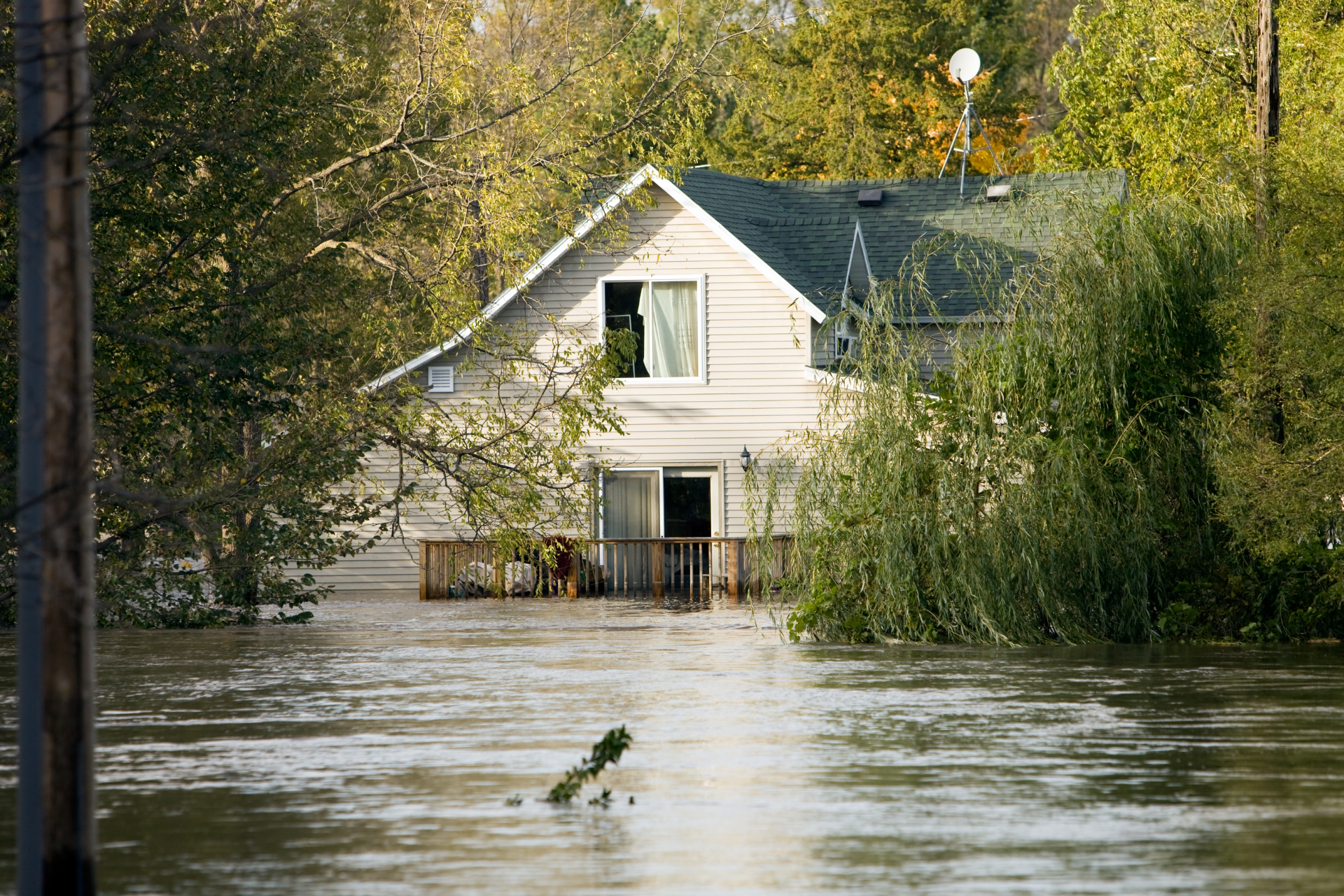
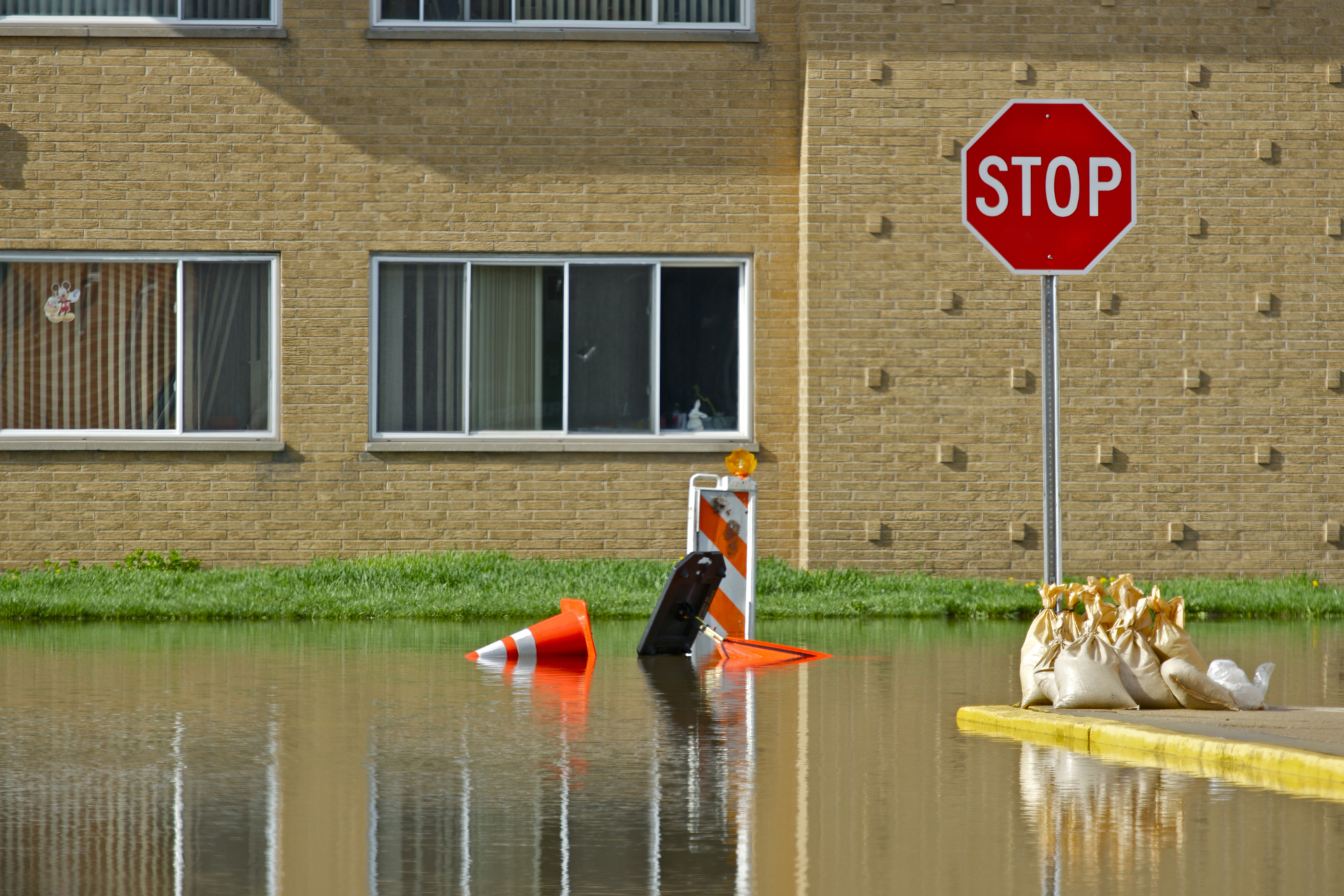
Standard homeowners and renters insurance typically does not cover flood damage, which catches many Detroit residents off guard after heavy rain and rising water events. In late June 2021, metro Detroit experienced major flooding with freeway closures and widespread basement flooding across Wayne County. Flood insurance is a separate policy—often through the National Flood Insurance Program (NFIP), and sometimes through private insurers—that’s designed to cover damage caused by flooding and rising water. Because most NFIP policies have a 30-day waiting period, it’s smart to explore coverage before the next big storm shows up on the forecast.
What Flood Insurance Can Cover in Detroit
01
Building Coverage (Structure and Systems)
Helps cover flood damage to key parts of the home like the foundation, electrical and plumbing systems, furnaces, water heaters, and built-in appliances. NFIP building coverage is designed to handle the expensive, behind-the-walls damage that can come with rising water.
02
Contents Coverage (Your Belongings)
Helps cover personal items like furniture, clothing, electronics, and many household essentials. With NFIP policies, building and contents coverage are often selected separately, so you can match coverage to what you own.
03
Basement and Utility Protection
Flood losses often hit basements first—especially in Detroit homes with below-grade utilities and storage. Flood insurance can help with damage to certain basement utilities and components (like furnaces and water heaters), which are some of the most expensive items to replace.
04
Clarity on Flood vs. Sewer Backup
Smaller backups may be handled with a sewer backup endorsement on a home policy, but widespread flooding requires flood insurance. If you’re worried about both, we’ll help you set up the right combination so you’re not relying on the wrong coverage when water rises.
Why Work With Family Auto Insurance Agency for Flood Coverage?
Flood insurance can be confusing—flood zones, map requirements, policy options, and changing rates. FEMA’s Risk Rating 2.0 updated how NFIP premiums are calculated to better reflect property-specific risk, so it helps to have someone walk you through what’s driving the cost. We’ll help you check your risk, explain whether an NFIP policy or a private policy makes more sense, and make sure you understand what’s covered (and what isn’t) before you buy. If you’re bundling with home or renters insurance, we can also help you coordinate policies so there are fewer gaps and fewer surprises.
Flood Insurance FAQs
Do I need flood insurance in Detroit?
If you have a mortgage in a high-risk zone, your lender may require it. Even outside high-risk zones, flooding can still happen—FEMA notes that people outside mapped high-risk areas file nearly 25% of NFIP flood claims. If your home has a basement or your area has seen heavy rain flooding, it’s worth getting a quote.
Does home insurance cover flooding?
In most cases, no—standard homeowners and renters insurance usually does not cover flood damage. Flood insurance is generally a separate policy designed for rising water and flood events.
How do I know if I’m in a flood zone?
You can check FEMA flood maps, and we can help you interpret what the map means for your property and mortgage requirements. Being outside a high-risk zone doesn’t automatically mean you’re “safe,” so we also talk through local drainage, basement exposure, and recent neighborhood flooding patterns.
What is the waiting period for flood insurance?
NFIP policies generally have a 30-day waiting period before coverage starts, with some exceptions (such as certain lender-required situations). That’s why it’s best to plan ahead rather than trying to buy coverage right before a storm.
How much does flood insurance cost in Detroit?
Pricing depends on your flood zone, elevation, rebuild details, and coverage choices—especially under Risk Rating 2.0. We’ll quote options and explain what’s driving the price so you can choose confidently.
Is sewer backup the same as flood insurance?
Not always. Sewer backup coverage is typically an optional add-on to a homeowners policy, while flood insurance is a separate policy for flooding and rising water. Many Detroit homeowners choose both for more complete protection.
Don’t Wait Until the Next Storm to Find Out You’re Uncovered
Flood damage can get expensive quickly—FEMA notes that even one inch of floodwater can cause roughly $25,000 in damage. If your Detroit home has a basement, you live near low-lying areas, or your neighborhood has seen flooding before, now is the time to explore a flood policy. Share your address and what you want to protect, and we’ll help you compare NFIP and available private options.