
Family Auto Insurance
|
 Michigan’s auto insurance landscape is unique due to its no-fault insurance system, which has been the subject of significant reforms in recent years. Understanding what Michigan's no-fault law entails and how it affects your auto insurance is essential for residents and anyone driving in the state. This article explains the basics of Michigan’s no-fault law, recent changes, and what they mean for your auto insurance.
0 Comments
 Experiencing a car accident or damage to your vehicle is stressful enough, but when your auto insurance claim is denied, it can add frustration and uncertainty to an already challenging situation. However, it's important to know that a claim denial isn't necessarily the final word. In this article, we'll guide you through the steps on how to appeal an auto insurance claim denial and potentially get the coverage you deserve.
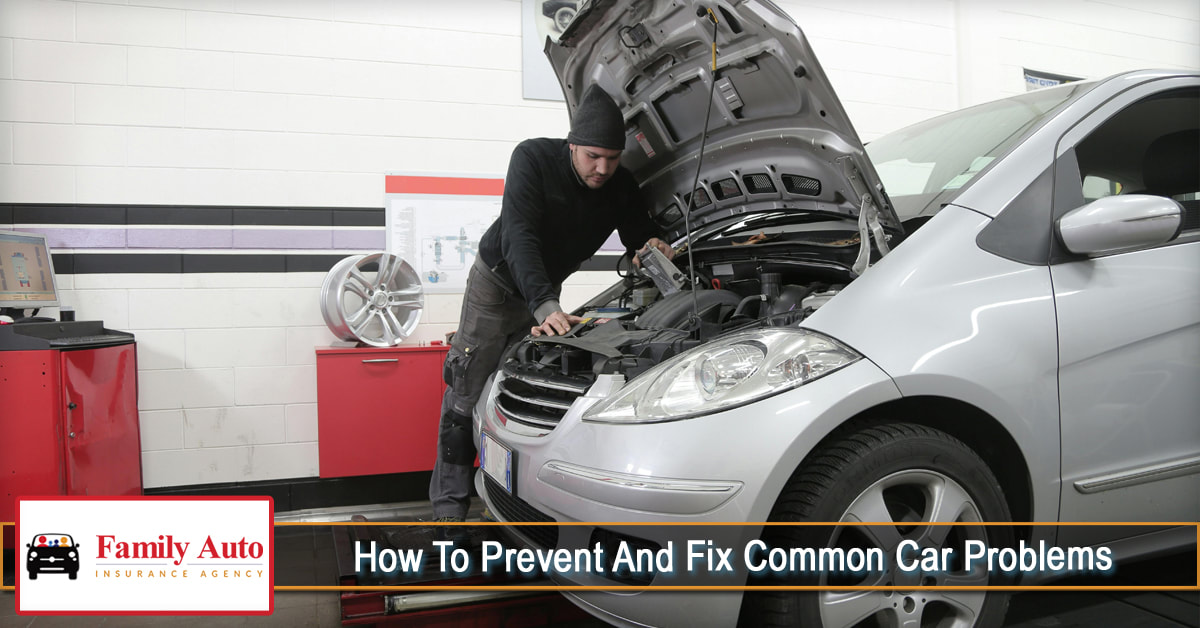 Maintaining your vehicle is not only crucial for its longevity but also for your safety on the road. Common car problems can range from minor inconveniences to major safety hazards. In this guide, we'll explore some common car issues, how to prevent them, and what you can do to fix them when they occur.
 Auto insurance rates are determined by various factors, with one of the most significant being your riding experience. Whether you're a seasoned driver or a newly licensed one, the number of years you've spent behind the wheel can have a substantial impact on the cost of your auto insurance premiums. In this article, we'll explore how riding experience affects auto insurance rates and provide tips for finding the best coverage options.
 A DUI (Driving Under the Influence) or DWI (Driving While Intoxicated) conviction can have significant consequences, including a substantial impact on your ability to secure auto insurance. Many insurance providers view individuals with DUI or DWI convictions as high-risk drivers, leading to increased premiums or policy cancellations. However, it's possible to obtain auto insurance even after such convictions. In this blog, we'll guide you through the steps to get auto insurance after a DUI or DWI conviction.
 Maintaining your vehicle's suspension system is crucial for a smooth and safe ride. Shocks and struts play a vital role in providing stability, handling, and comfort while driving. Over time, these components can wear out, leading to poor ride quality and compromised safety. In this blog, we'll explore the signs that indicate your car may need new shocks or struts, helping you ensure the longevity and performance of your vehicle.
 Experiencing car trouble can be an unwelcome and stressful situation, especially when it occurs at inconvenient times or in less-than-ideal locations, such as remote areas or heavy traffic. In this guide, we'll explore common reasons for car breakdowns, discuss how to handle such situations safely, and emphasize the importance of preparedness to ensure you and your passengers remain safe during these challenging moments. Additionally, we will connect these insights to the importance of auto insurance in mitigating the financial impact of car breakdowns.
 Car insurance may sometimes seem like an unnecessary expense, especially if you've been accident-free for a while. However, accidents can happen unexpectedly, and having the right car insurance coverage can provide crucial financial protection. In this article, we will delve into the significance of car insurance and how it can benefit you, ensuring that you are well-informed about this essential aspect of responsible car ownership.
 Navigating the complex world of auto insurance can be challenging, and choosing the right coverage is crucial for your financial security and peace of mind. This article aims to demystify the basics of auto insurance coverage, helping you make informed decisions and save money while ensuring adequate protection. Much like the importance of securing your home with proper insurance, safeguarding your vehicle and yourself is essential.
 Auto insurance is a financial safety net for drivers, providing protection against losses or damages resulting from accidents, theft, or other incidents involving their vehicles. However, determining whether your auto insurance extends coverage to moving trucks is crucial, as these larger vehicles are typically used for transporting household goods and materials during a move. While cars are a daily mode of transportation, moving trucks have specific use cases that can leave individuals or businesses uncertain about their insurance coverage in case of injury or damage.
|
Contact UsDetroit Office: Archives
June 2024
Categories
All
|
 RSS Feed
Navigation |
Connect With UsShare This Page |
Contact UsFamily Auto Insurance Agency
Detroit Office: 6442 Michigan Ave Detroit, MI 48210 (313) 285-9042 |
Location
|
Website by InsuranceSplash